
Who We Are
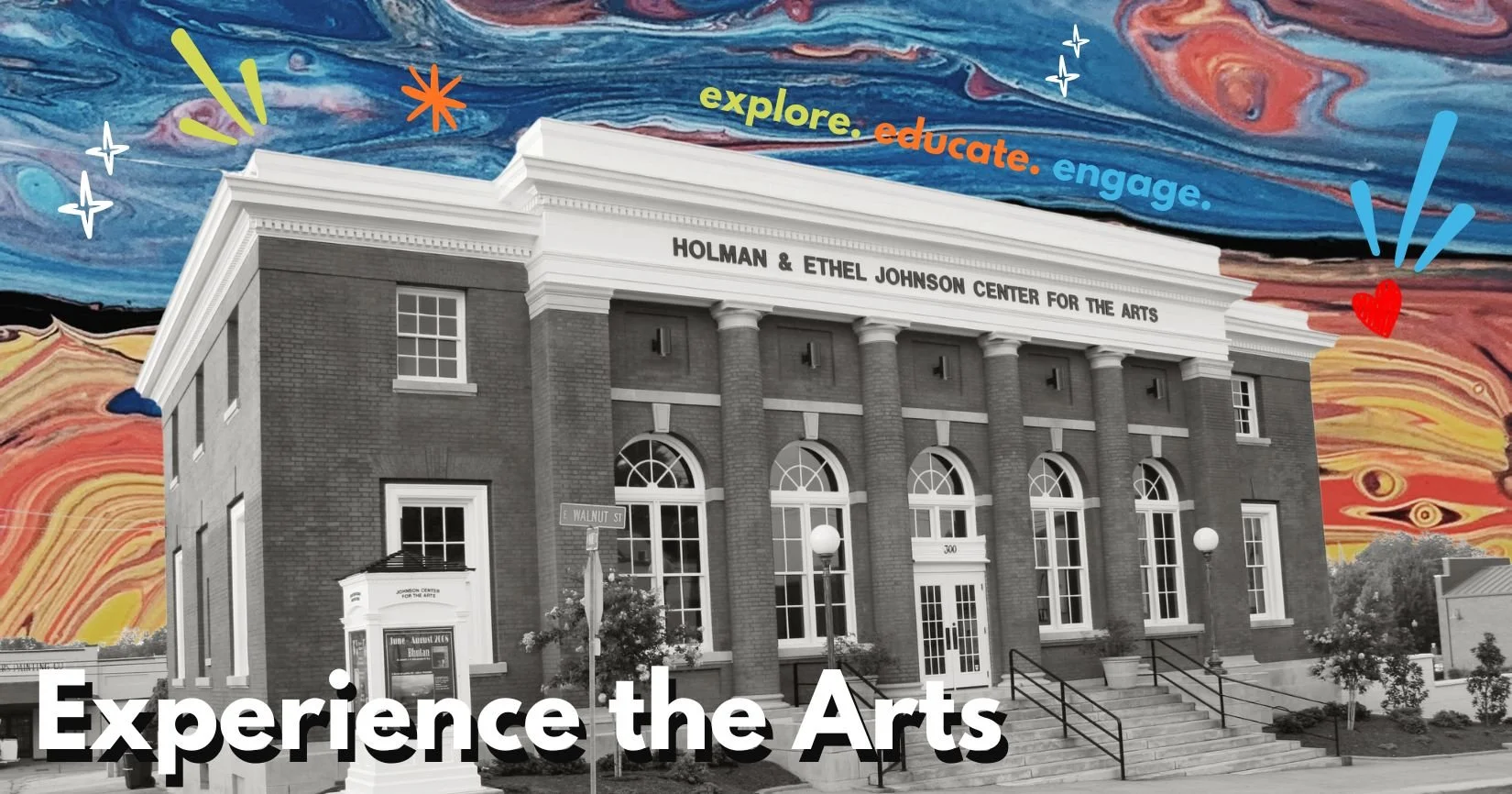
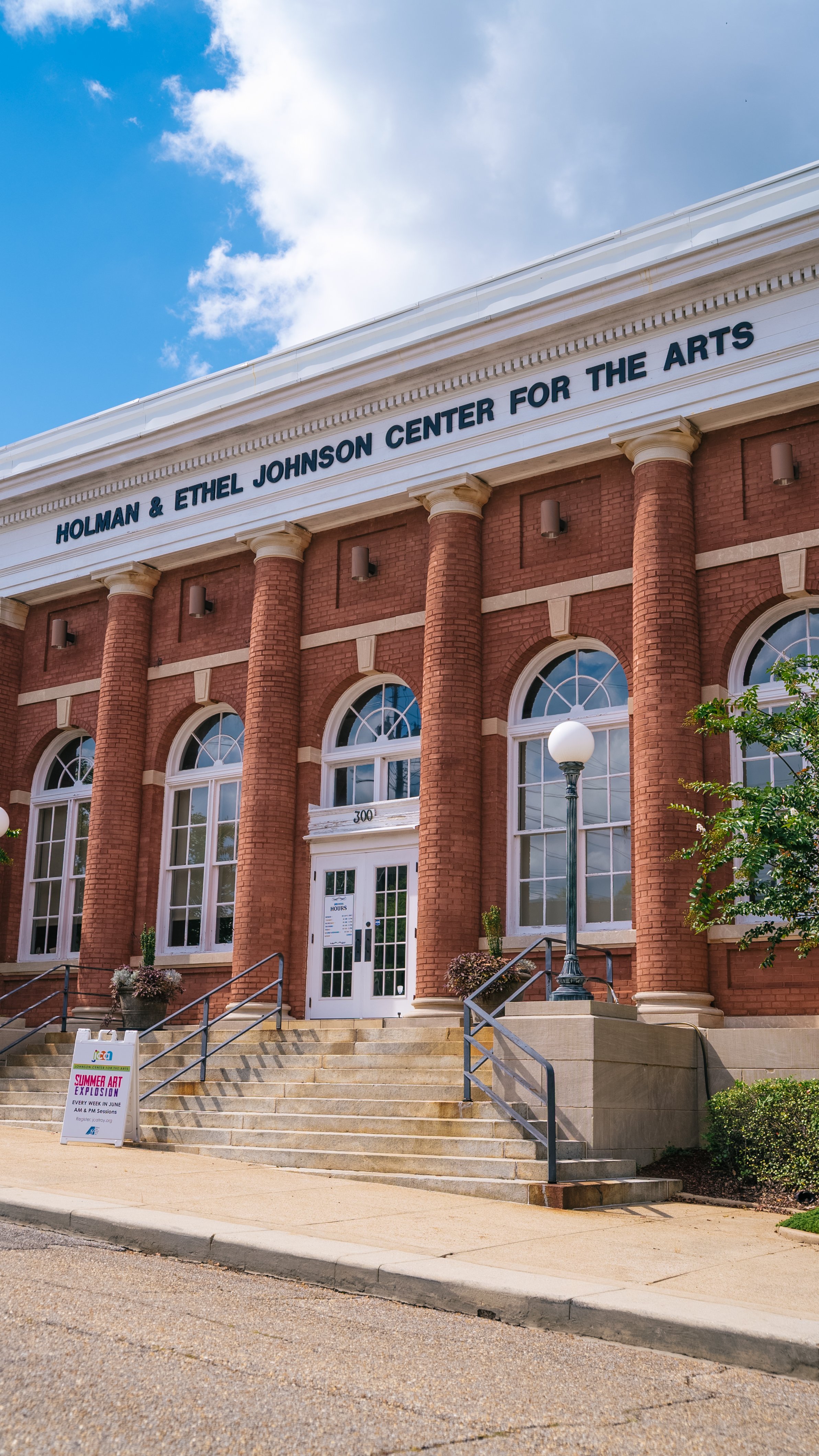
The Johnson Center for the Arts calls one of Troy's historic treasures home — a classical-revival post office built around 1910, just off the downtown square. The building served the city for decades before sitting vacant, until a group of community members formed the Troy-Pike Cultural Arts Center Board of Directors in 2000 to save it from demolition and give Pike County its first cultural arts center.
Today, that same commitment drives the Johnson Center for the Arts as a 501(c)(3) organization dedicated to advancing art education and appreciation for Troy, Pike County, and the surrounding region. With seven galleries — including a two-story, 1,400-square-foot main gallery — and room for an audience of over 400, the Center offers free admission to the public and relies on the generosity of members and donors to keep its doors open and its programming thriving.
Meet the people behind that mission — from our Executive Director and Board Chairman to the dedicated members of our Board of Directors — below.
Amp Up Arts Troy
Site Director: Brenda Campbell
In 2018, after several years of planning, a network of locally focused collaborative sites was created by a team of partners from the Alabama State Council on the Arts, the Alabama State Department of Education, the Alabama Arts Alliance, and the Alabama Institute for Education in the Arts.
Funding appropriated from the Education Trust Fund to the Alabama State Council on the Arts was granted to host organizations to establish the first three collaborative sites in Birmingham, Huntsville, and Tuscaloosa. Their successful engagement and improvement in access to arts education have been a model for newly added sites in Andalusia, Mobile, and Troy, and additional sites being developed.
This network of collaborative sites operates collectively as Amp Up Arts, a 501(c)(3) organization whose mission is to advance equitable experiences in arts education for all Alabama students through partnerships, advocacy, and resource development. Improving preK-12 arts education is accomplished by empowering communities to use local resources and knowledge as they create sustainable arts education opportunities specific to the needs and desires of area students, parents, teachers, and residents. The impact of connections, advocacy, and professional development at the local level, when viewed as a whole, vastly improves arts education across all of Alabama.
"I've loved this work from the very beginning because I am able to use my existing creative and professional skills in a dynamic environment where I can continue to make people's lives and surroundings a bit more beautiful through visual and performing arts, music, or language. I am privileged to meet, collaborate with, and serve the outstanding artists and members of this community who share a love of the arts and of education. My hope is to continue to build upon the excellent foundation laid here at the Johnson Center by its founding members and share the arts in some shape or form to every citizen."